Manufacturing Support · Sheffield

Metal Forging Sheffield

Forged blanks and components for demanding engineering applications, with downstream machining and treatment coordination for Sheffield buyers.

Forged and machined metal components for Sheffield engineering applications

Local B2B service

Metal Forging services for Sheffield businesses

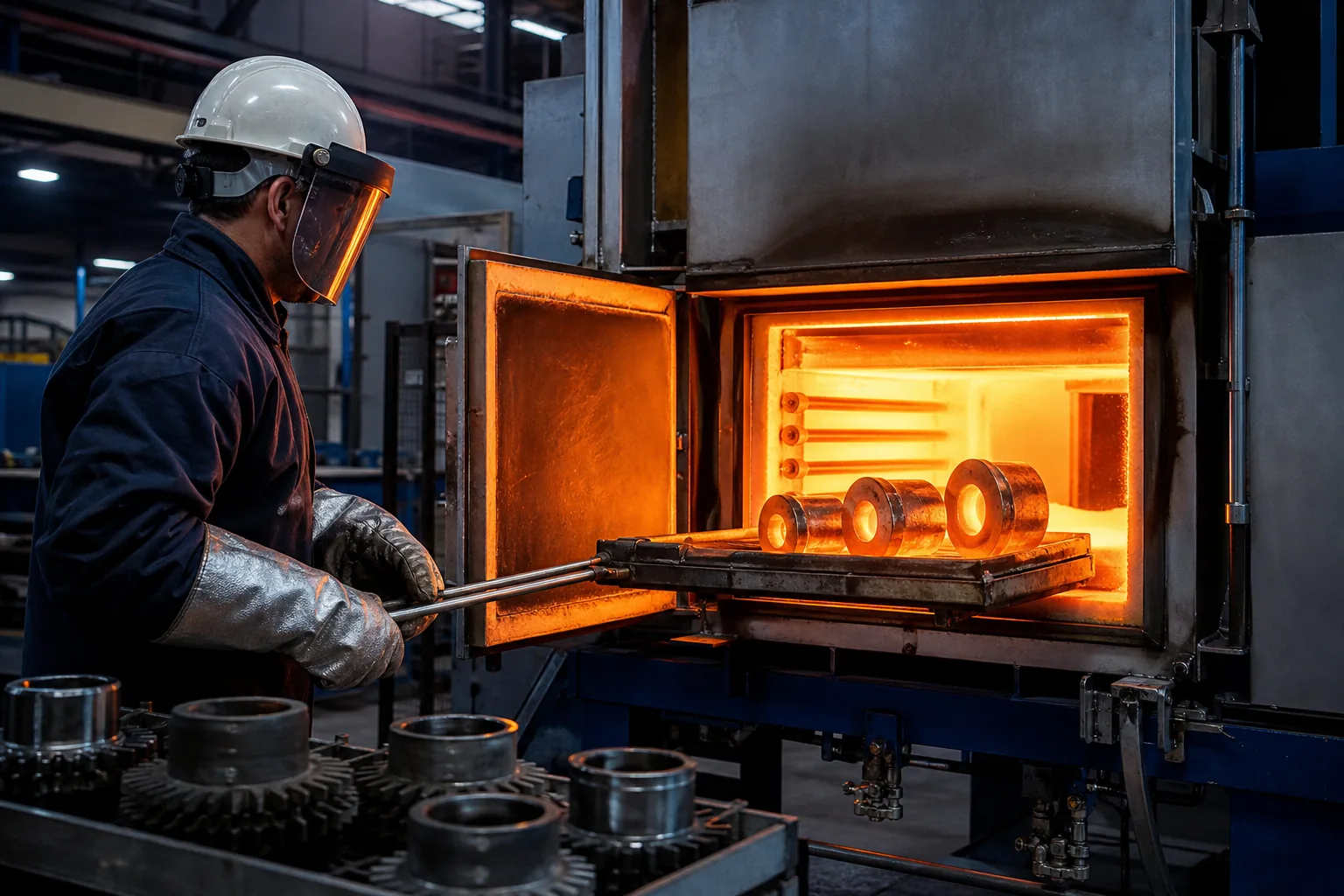
Forging shapes metal through controlled deformation and can provide useful grain flow, integrity and material efficiency for suitable engineering components. Sheffield has a deep association with specialist metals and manufacturing, and local buyers continue to specify forged blanks for shafts, rings, blocks, tools and high-duty parts. Subcontract Engineering Services provides a contact route for defining the alloy, geometry, quantity and downstream operations involved.

A forging enquiry needs more information than the finished dimensions. Starting stock, forging route, draft and radii, scale removal, machining allowance, heat treatment, testing and final grain-flow expectations may all matter. Closed-die tooling can be commercially sensible for repeat volume, while open-die or simpler tooling routes may suit larger sections or smaller quantities. The appropriate route must be reviewed against the actual specification rather than chosen from the part name alone.

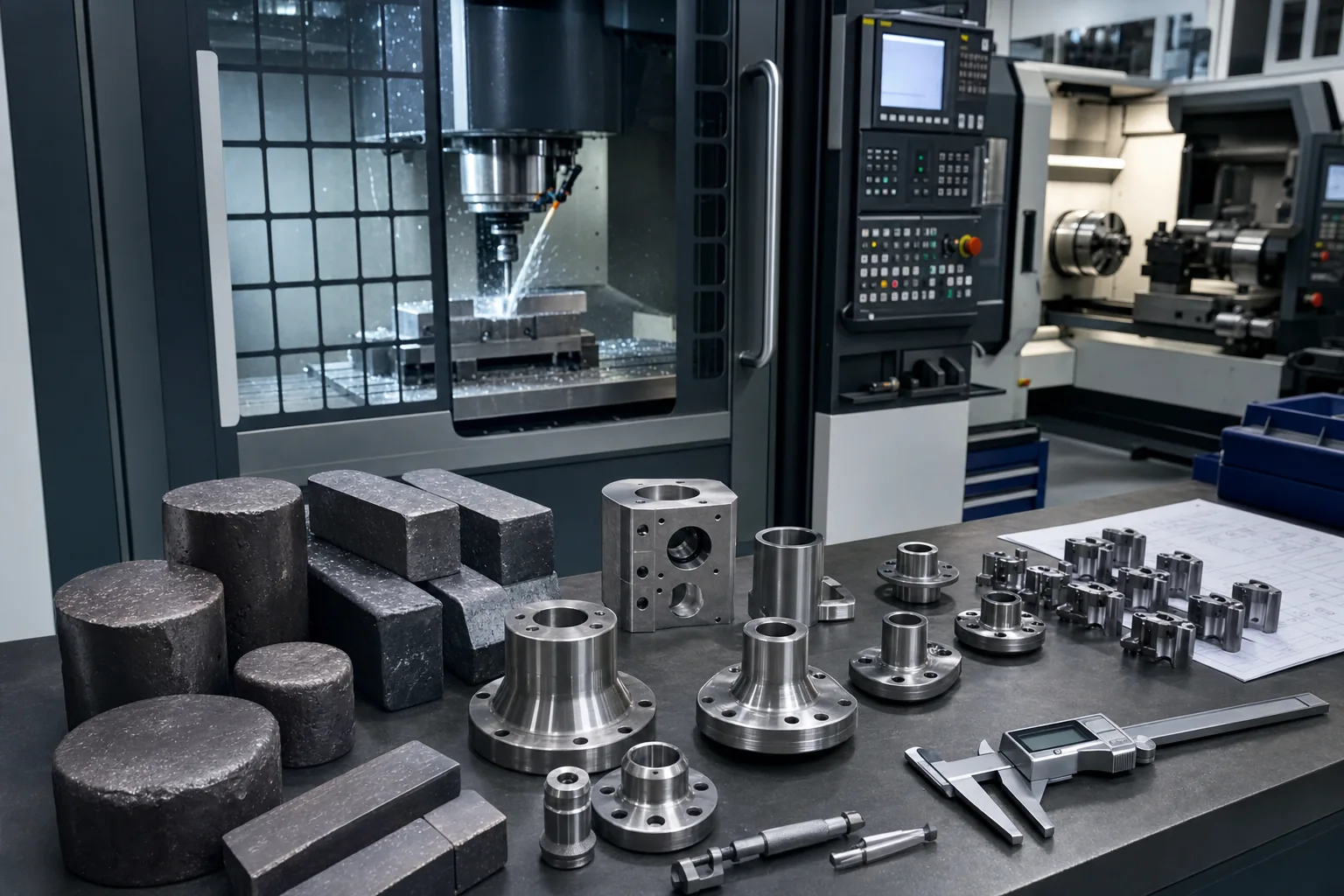
Forged items are frequently supplied as blanks for later machining. Datum strategy, allowance, straightness and the condition after heat treatment therefore need to align with the final drawing. When Sheffield customers include machining, inspection, heat treatment and documentation needs at enquiry, the complete process chain can be considered instead of passing incompatible assumptions between separate stages.

What the service can cover

  • Forged blank and finished-component enquiries for commercial engineering applications.
  • Open-die, impression-die and ring-type requirements reviewed according to specification.
  • One-off, development and production quantities considered with tooling economics.
  • Carbon, alloy and stainless steel enquiries subject to grade and route confirmation.
  • Coordination of machining, heat treatment, testing, surface preparation and delivery.
  • Support for Sheffield procurement teams requiring a clearly documented supply route.

Technical points to define before ordering

Choosing a forging route

Component size, shape, alloy, quantity and performance influence whether open-die, impression-die or another wrought route is appropriate. Tooling investment must be balanced against repeat volume and material savings. Generous transitions and suitable radii support metal flow, while abrupt section changes may complicate filling or increase local strain. Early review of the finished model can identify where the design can better suit the chosen process.

Allowance, heat treatment and scale

A forging may require machining allowance for decarburisation, scale, draft and normal process variation. The allowance must be sufficient without creating unnecessary material and machining time. Normalising, annealing, quenching and tempering or solution treatments depend on alloy and property specification. State whether dimensions, hardness or mechanical properties apply after heat treatment and which surfaces will be machined.

Testing and traceability

Critical forgings may require material certificates, heat identity, ultrasonic examination, mechanical tests, hardness checks, macro examination or other specified evidence. These are not assumed. The drawing and purchase specification should identify the test standard, sampling, acceptance limits, certification type and marking method. Clear requirements allow suppliers to plan test material and documentation before production rather than attempting to reconstruct evidence afterwards.

Typical metal forging applications

The following examples show the kind of commercial requirement that may be discussed. They are not a guarantee that every size, material, certification or deadline is available; the actual job is confirmed after technical review.

  • shafts and stepped bars.
  • rings, hubs and flanges.
  • blocks and shaped blanks.
  • tooling and high-duty components.
  • preforms for finish machining.
  • replacement heavy-engineering parts.

Local project support

Serving Sheffield’s engineering and industrial economy

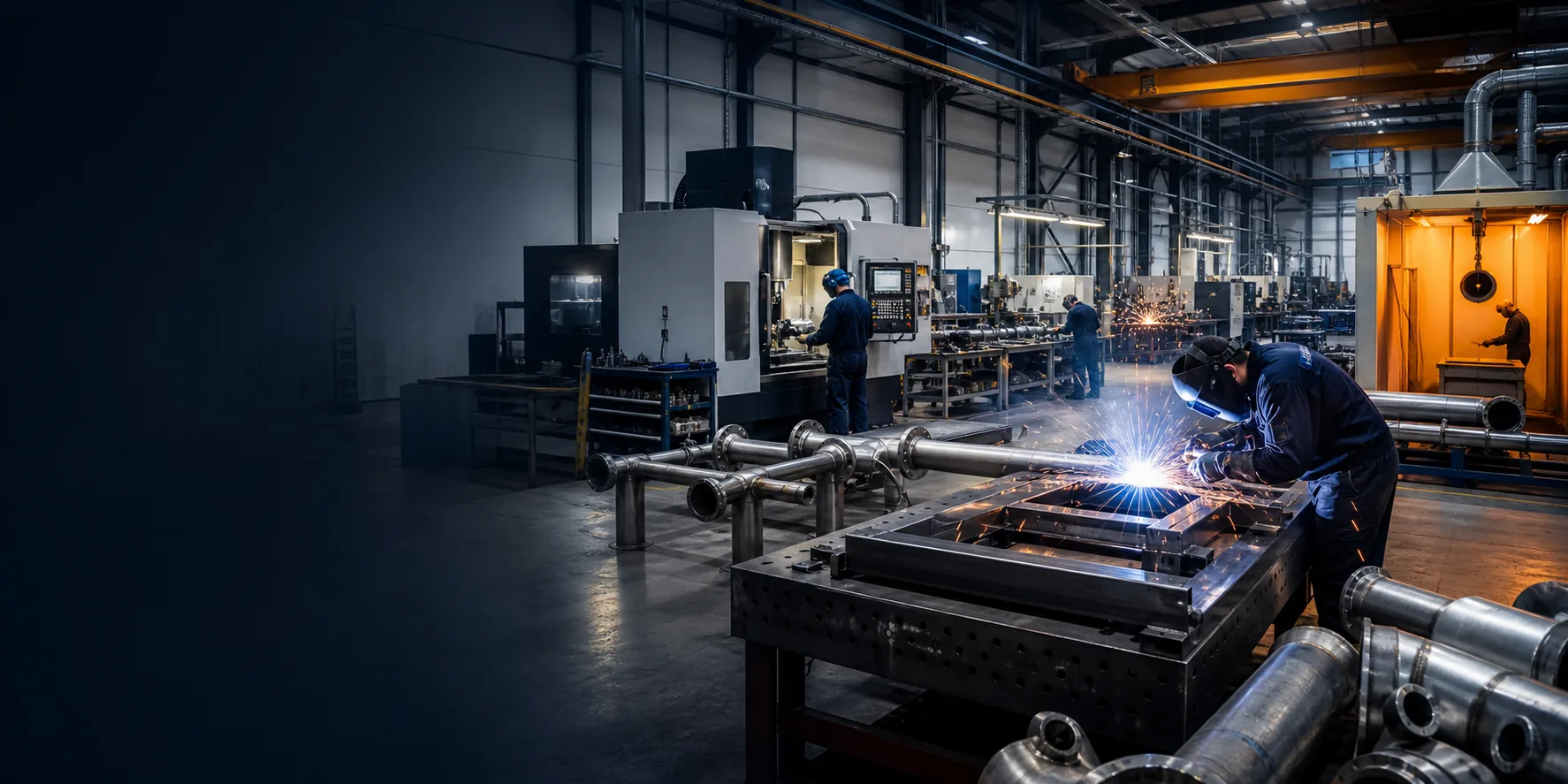
Sheffield has a strong concentration of engineering, advanced manufacturing, metalworking, construction and maintenance activity. This page is written for real procurement needs across the city, including the Lower Don Valley, Attercliffe, Darnall, Tinsley, Handsworth, Meadowhall, Hillsborough, Ecclesfield and Chapeltown. Enquiries from nearby Rotherham, Barnsley, Doncaster, Chesterfield and Worksop can also be considered.

Local relevance does not mean adding place names to otherwise generic text. A useful Sheffield metal forging page should answer how a buyer starts, what information influences cost, where other processes connect and which requirements need confirmation. That is why the content focuses on drawings, materials, quantities, inspection, site conditions and delivery rather than promising an instant universal solution.

Being clear about location matters commercially. Include the delivery or work-site postcode, unloading arrangements, available hours and required date. For site work, add parking, security, induction, welfare, access equipment, permits and production restrictions. For manufactured parts, state whether collection, dedicated delivery, protective packaging or timed receipt is needed.

A clear route

From enquiry to delivery

  1. Send the requirement. Share the current drawing revision, quantities, materials, finish, quality needs and target date.
  2. Confirm the scope. Questions, exclusions, responsibilities and any related processes are identified before commitment.
  3. Agree the quotation. Check price, lead time, delivery, documentation and the exact technical basis of the offer.
  4. Control changes. Approve drawing or schedule changes in writing so the delivered work matches the latest requirement.

Better quotations

Information to send for a metal forging quote

A clear enquiry saves repeated emails and makes quotations easier to compare. It also reduces the risk of a low initial price being based on missing operations. Include these points wherever they apply:

  • finished drawing and 3D model.
  • material grade and governing specification.
  • quantity, batch size and annual demand.
  • forging condition and machining allowance.
  • heat treatment, testing and inspection.
  • certification, marking and delivery needs.

Drawings and revision control

Use a dimensioned PDF as the controlled visual record and include a suitable CAD format where digital geometry is useful. Put the drawing number and revision in the email or request schedule. If several files conflict, state which one governs. Mark dimensions that affect fit, safety, sealing, alignment or interchangeability rather than relying on a blanket request for the tightest possible tolerance.

Quality and documentation

List material certification, traceability, inspection, testing, photographs, certificates of conformity or other records before the quote is accepted. Evidence often needs to be created during manufacture and cannot reliably be reconstructed afterwards. Requirements should be proportionate to the part’s function and any applicable customer or industry standard.

Lead time and commercial detail

State the quantity required now, expected repeat demand and the date parts or labour are genuinely needed in Sheffield. Lead time starts from a technically complete order, approved drawings and agreed material availability—not from an early conversation containing unresolved details. Include company name, purchasing contact, delivery address and any supplier onboarding process that could affect the start.

Helpful answers

Metal Forging Sheffield FAQs

These answers explain the usual starting point. Final capability, compliance, price and lead time are confirmed for the individual enquiry.

Can you quote small quantities of forged parts?

Development and smaller quantities can be reviewed, but tooling and process economics depend on geometry and size. Provide present and forecast volumes so alternative routes can be compared.

Can forged blanks be finish machined?

Machining can be coordinated. Finished dimensions, datums, allowances, heat-treatment condition and inspection requirements should be defined from the beginning.

Which materials can be forged?

Carbon, alloy and stainless steel enquiries are common, but forgeability and availability depend on the exact grade, section and required properties. Always provide a recognised material designation.

Can you provide test certificates?

Specify the required certificate type, traceability, mechanical tests and non-destructive examination at quotation. Documentation must be included in the agreed scope.

Do you support Sheffield forging buyers?

Yes, the service page is focused on procurement and engineering enquiries from Sheffield and the surrounding advanced manufacturing region.

Related services

Processes that may support this project

Send the finished requirement if your job needs more than one operation. It is easier to plan allowances, datums and finishes before the first process begins.

Sheffield B2B enquiries

Discuss your metal forging requirement

Call 07864 286692 or email info@subcontractengineeringservices.co.uk with the drawing, quantity, material, finish, postcode and required date.