Local B2B service
Short-Run Product Manufacturing services for Sheffield businesses
Short-run manufacturing fills the space between a one-off prototype and high-volume production. Sheffield product businesses, engineering teams and specialist suppliers may need tens or hundreds of components while demand, design and assembly methods are still developing. Subcontract Engineering Services helps organise cutting, machining, fabrication, finishing and assembly requirements around a controlled product definition.
At lower volumes, tooling and setup must be proportionate to the batch. A laser-cut and folded assembly may avoid dedicated press tooling; a machined component may use flexible workholding; a simple fixture can improve repeatability without overinvesting. Buyers should share present quantity, likely annual demand and expected design changes so the route supports both current economics and future scaling.
Product control is just as important as process choice. Drawings, bill of materials, approved samples, revision status, finish specifications, packaging and acceptance criteria should be clear. Sheffield customers can then place repeat orders against the same definition and manage changes deliberately rather than relying on memory or an unmarked sample.
What the service can cover
- Prototype, pilot, bridge-production and short repeat-batch manufacturing enquiries.
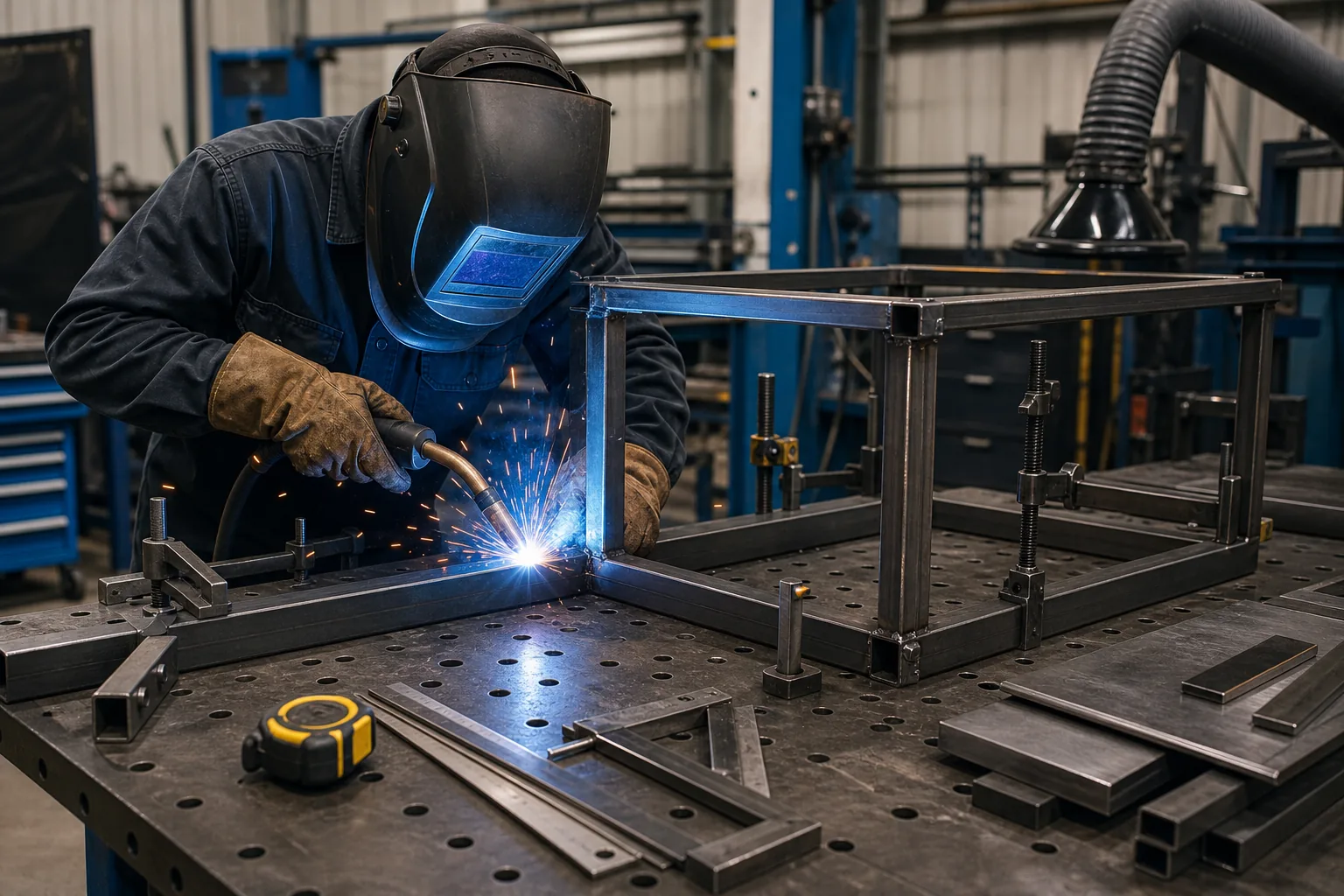
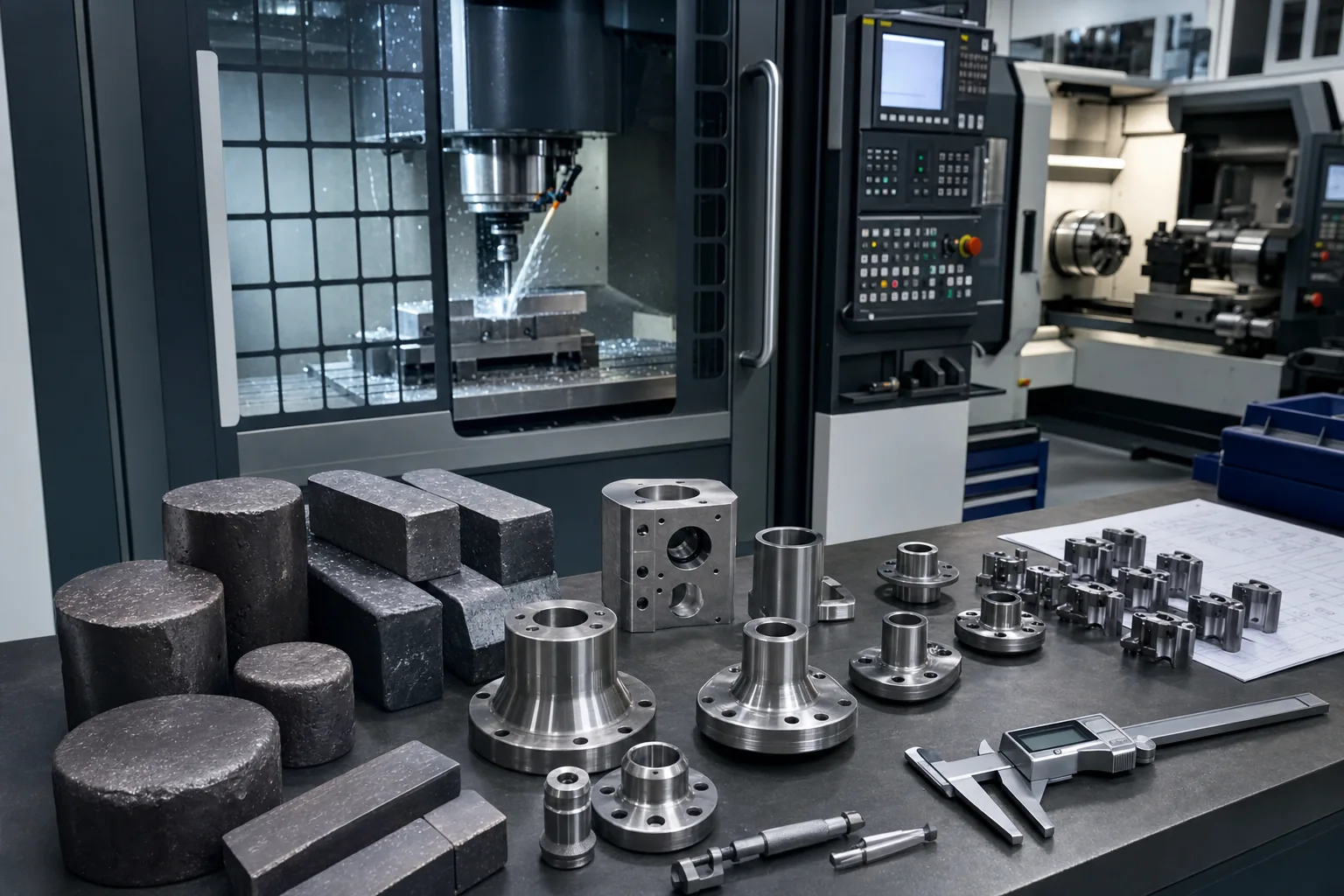
- Metal components and assemblies using cutting, machining, forming and welding routes.
- Process planning that balances flexible setup, simple tooling and repeatability.
- Finishing, marking, packaging and assembly requirements included where agreed.
- Revision, sample-approval and quality-document needs defined with the customer.
- Support for Sheffield product companies, OEMs and specialist B2B suppliers.
Technical points to define before ordering
Making the product definition complete
Every manufactured item needs a controlled drawing or specification. Assemblies also need a bill of materials, approved components, finish, labelling and packaging information. Identify customer-supplied parts and acceptable alternatives. If a sample is the master, record which features it controls and protect it from uncontrolled modification. A revision and change-approval process prevents mixed versions in repeat batches.
Designing for short-run economics
Features that require special tooling, multiple setups or manual finishing can dominate small-batch cost. Standard material thicknesses, accessible welds, sensible tolerances and common fasteners often improve manufacturability. A design review may identify ways to combine parts, use tabs for location or move precision only to functional interfaces. Any change remains subject to customer approval before production.
Quality and supply continuity
First-article or sample approval can confirm interpretation before the full batch proceeds. The inspection plan should focus on features linked to fit and function. For repeat supply, agree batch quantities, forecast, lead time, material traceability, storage and end-of-life revision handling. Packaging also matters: an acceptable component can still arrive damaged if coated faces, threads or delicate features are not protected.
Typical short-run product manufacturing applications
The following examples show the kind of commercial requirement that may be discussed. They are not a guarantee that every size, material, certification or deadline is available; the actual job is confirmed after technical review.
- new product pilot batches.
- specialist B2B equipment.
- replacement and legacy products.
- seasonal or low-volume ranges.
- custom workplace products.
- pre-production validation runs.