Local B2B service
Plasma Coating services for Sheffield businesses
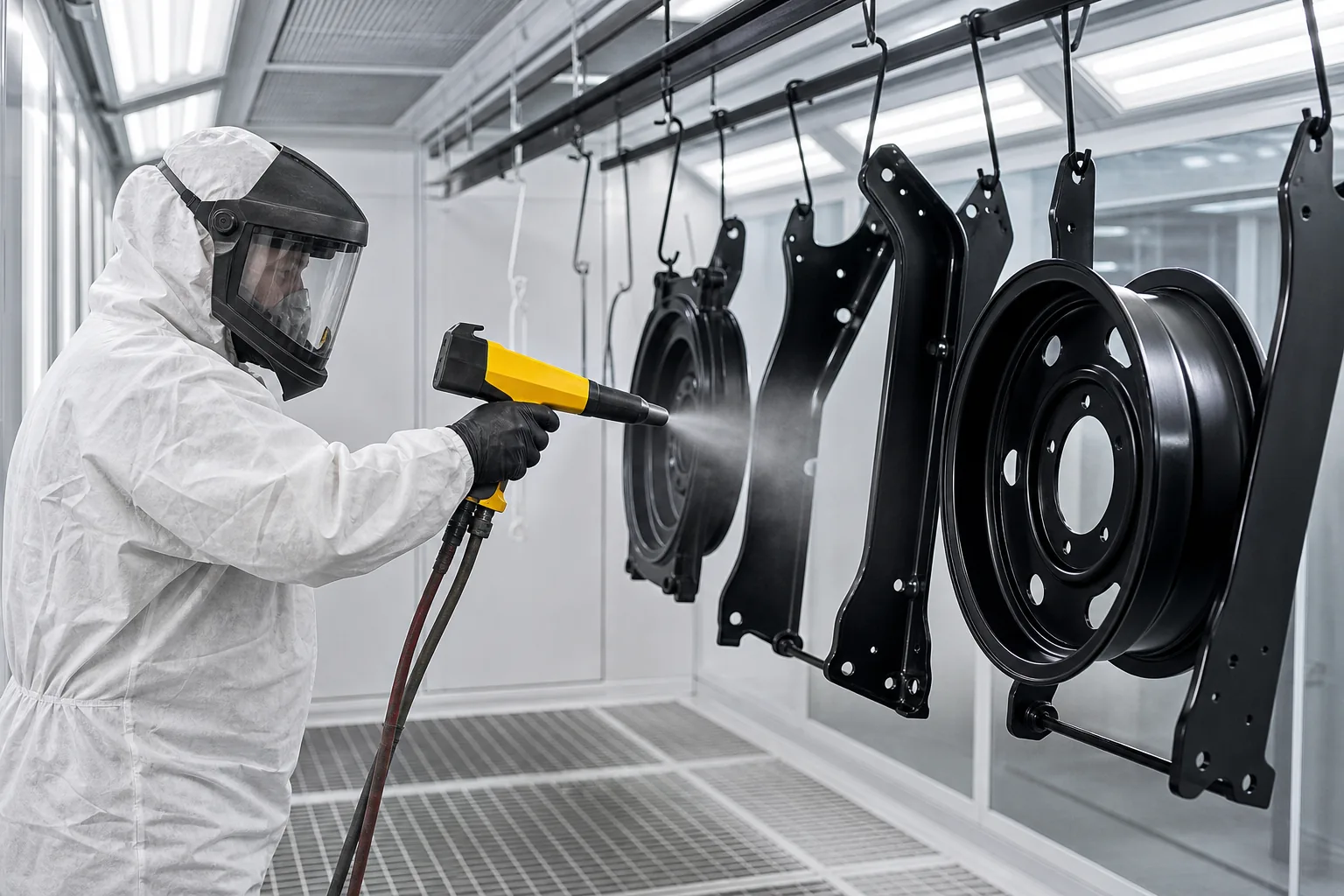
Plasma coating commonly refers to a thermal-spray route in which a high-energy plasma jet heats feedstock that is deposited onto a prepared component surface. The process can apply ceramic, metallic or cermet systems for wear, thermal, corrosion or dimensional-restoration duties. Subcontract Engineering Services supports Sheffield engineering buyers by helping define the substrate, service conditions, coating system, thickness and finishing needs before the work is quoted.
Coating selection should begin with the failure mode rather than a fashionable material name. Abrasion, adhesive wear, erosion, high temperature, chemical exposure and electrical or thermal behaviour require different solutions. Substrate alloy, operating temperature, mating material, lubrication, loading and acceptable surface roughness all matter. A coating that performs well in one environment may be unsuitable in another, so service information should accompany the drawing.
The coating process is only part of the manufacturing route. Components may need masking, grit preparation, bond coat, controlled deposition, sealing, grinding, polishing or dimensional inspection. Sheffield customers should identify finished dimensions and tolerances, not only nominal coating thickness. This allows machining allowance and final finishing to be planned without leaving too little coating or an oversize component.
What the service can cover
- Plasma and related thermal-spray coating enquiries for engineered component surfaces.
- Wear-resistant, thermal-barrier, corrosion-focused and restoration applications reviewed.
- Metallic, ceramic and cermet system discussions according to service requirement.
- Masking, surface preparation, bond coat, sealing and finish grinding considered in scope.
- Prototype, repair and repeat production components with specified quality evidence.
- Support for Sheffield steel, manufacturing, maintenance and process-industry buyers.
Technical points to define before ordering
Selecting a coating system
The enquiry should describe the component function, substrate, temperature range, environment, wear mechanism and mating surface. Required coating chemistry or trade designation can be stated when already engineered, but acceptance should also include relevant performance or microstructural criteria. If the coating is a proposed repair, provide the damage mechanism and minimum remaining substrate condition so feasibility can be assessed.
Preparation, masking and geometry
Thermal-spray coatings rely on controlled surface preparation and line-of-sight access. Sharp edges, deep recesses, small bores and abrupt transitions may be difficult to coat uniformly. Drawings should identify coated areas, run-outs, masked features and permissible overspray. Threads, fits and datum faces require clear protection. Component handling and rotation should also be considered for long, heavy or delicate items.
Thickness, finishing and inspection
As-sprayed surfaces can be rough and may need grinding or lapping for seals, bearings or close fits. Specify the final diameter, surface texture, cylindricity or other functional characteristic after finishing. Inspection might include thickness, adhesion, hardness, porosity, microstructure or visual criteria depending on duty. The methods, sampling and certification must be agreed as part of the quotation.
Typical plasma coating applications
The following examples show the kind of commercial requirement that may be discussed. They are not a guarantee that every size, material, certification or deadline is available; the actual job is confirmed after technical review.
- shafts and bearing areas.
- wear sleeves and seal surfaces.
- rollers and process components.
- pump and valve parts.
- thermal-duty components.
- restoration of worn dimensions.